
What Skipping This Costs You
Put off garage door maintenance through another winter and the bill usually shows up at the worst moment. A spring that's been quietly corroding from months of salt air and humidity can snap on the one cold, damp morning you're already running late. Weatherstripping that's cracked and curled lets wind-driven rain pool under the door, soaking stored boxes, bikes, or whatever's parked underneath. Tracks left ungreased since summer seize up stiff in cooler temperatures, straining the opener motor until it burns out. None of these are dramatic failures until suddenly they are, and by then you're paying for an emergency call instead of a twenty-minute tune-up.
Why Winter Here Is Different
Winter along the Gulf Coast doesn't mean snow and ice, but it does mean something garage doors don't love: swinging humidity, sudden temperature drops after cold fronts, and salt-laden air that never really stops working on metal. A door that handled the summer's heat and afternoon downpours fine can start sticking or squealing once the first real cold snap tightens metal components and stiffens lubricant left over from warmer months. If your home sits close to the coast, the corrosion clock has been running all hurricane season, and winter is when those weak spots tend to announce themselves.
The Pre-Winter Checklist
Inspect and Re-Lubricate Every Moving Part
Hinges, rollers, and the torsion spring itself should get a fresh coat of garage-door-specific lubricant, not household oil, which attracts grit and breaks down faster in salt air. Wipe off old, grimy lubricant first. If rollers look flat-sided or cracked, replace them now rather than waiting for them to bind mid-cycle.
Check Weatherstripping and Bottom Seals
Run your hand along the rubber seal at the base of the door. If it's brittle, torn, or no longer compresses against the floor, it's letting in both cold drafts and the wind-driven rain common with winter fronts moving through. Side and top seals deserve the same check — gaps here let in moisture that can swell wood panels or rust steel ones over time.
Test Spring Balance
Disconnect the opener and lift the door halfway by hand. It should hold its position. If it drifts up or crashes down, the spring tension has shifted — often from months of temperature swings and humidity affecting the metal. This isn't a DIY adjustment; torsion springs are under enough force to cause serious injury if mishandled, so this is one to flag for a technician rather than fix yourself.
Look for Rust and Salt Residue
Check the bottom corners of the track, the bolts holding brackets in place, and the springs themselves for orange rust streaks or white salt buildup. Coastal properties see this faster than inland ones. A wire brush and touch-up paint can stop surface rust before it eats into structural hardware, but heavily pitted springs or tracks should be replaced, not patched.
Confirm the Opener Handles Power Interruptions
Winter storm fronts can still knock out power briefly. Make sure you know how to manually release the door using the emergency cord, and if your opener has a battery backup, test that it still holds a charge. It's a five-minute check that matters most on the night you actually need it.
When to Call Rosemary Beach Garage Door Repair
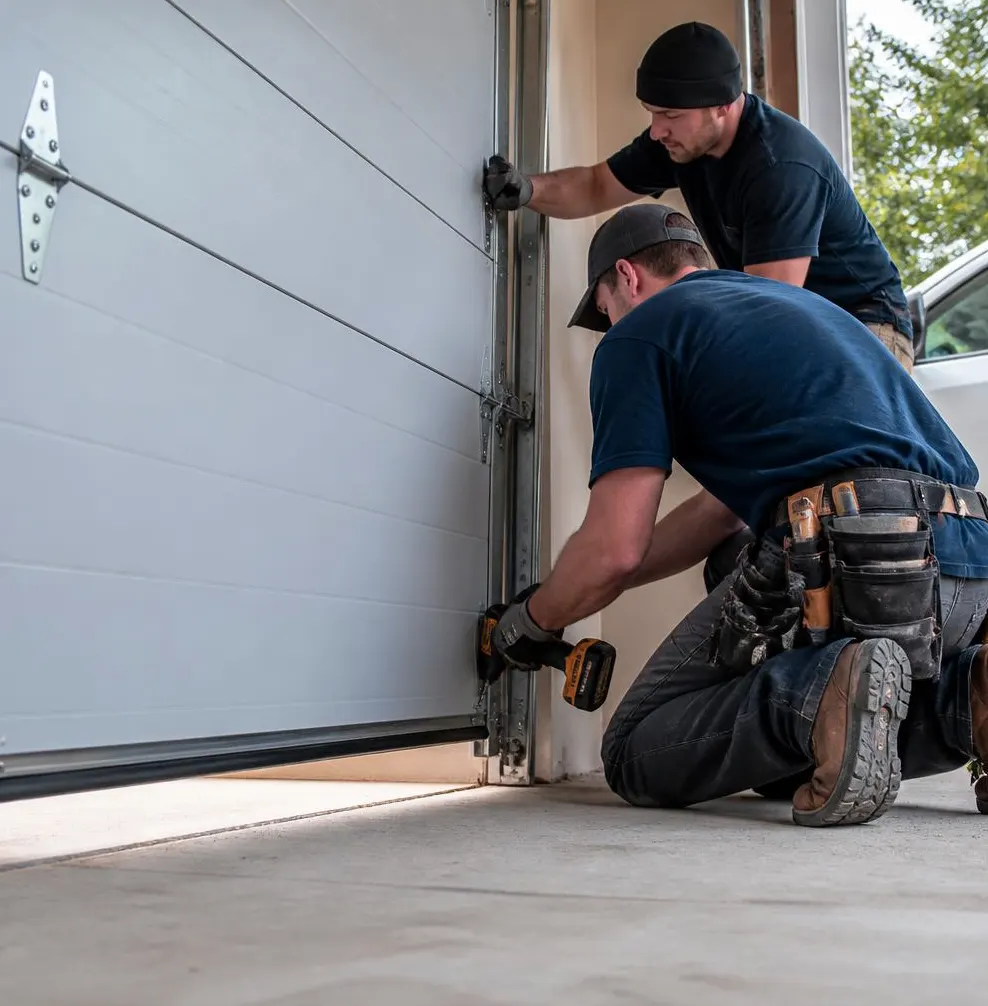
If your spring test showed an imbalance, if the door is noticeably harder to lift than it was in summer, or if you're seeing real rust on hardware rather than light surface spotting, that's our cue to come out. We handle garage door spring repair safely with the right tools and tension gauges, and we offer preventive maintenance and tune-ups that cover lubrication, hardware tightening, and a full balance check in one visit — the kind of service that catches small problems before a cold front turns them into a stuck or broken door.
If you're anywhere from Rosemary Beach to Inlet Beach, Alys Beach, or along 30A toward Santa Rosa Beach and Destin, give us a call before winter weather tests your door for you. A quick inspection now is a lot cheaper than an emergency repair later.