
What Waiting One More Season Actually Costs
A garage door typically weighs 300 to 400 pounds, and it moves through the exact space where kids chase balls and dogs dart after squirrels. Skip the safety check this fall, and you're not just risking a squeaky inconvenience, you're risking a crushed hand, a broken collarbone, or a pet pinned under a panel that didn't reverse the way it was supposed to. These aren't rare freak accidents. They happen because a sensor was knocked out of alignment months ago, or a spring was already weakening and nobody noticed until it let go.
How It Actually Goes Wrong
The failures that hurt people are rarely dramatic until the moment they happen:
- Auto-reverse doesn't trigger. The photo-eye sensors near the floor get bumped by a bike, a hose, or salt-air corrosion on the wiring, and the door keeps closing instead of stopping when something is underneath it.
- A spring fails mid-cycle. Torsion springs under tension can snap, letting a door drop fast and hard instead of lowering smoothly. Humidity and coastal salt air speed up the rust that weakens springs years before they'd normally wear out inland.
- Fingers and paws get caught in panel seams. Older doors without pinch-resistant panel design have gaps between sections that close like a hinge as the door moves, exactly at the height of a curious toddler or a cat's tail.
- Kids treat the remote like a toy. A garage door opener left on a low shelf or in an unlocked car console turns into a button a 4-year-old will absolutely press, sometimes while a sibling or pet is standing in the doorway.
The Specific Actions That Actually Prevent It
Safety here isn't vague advice, it's a short list of things you can check this weekend:
- Test auto-reverse monthly. Place a roll of paper towels or a 2x4 on the ground where the door closes. If the door doesn't reverse on contact, stop using it until a technician adjusts or repairs the sensors.
- Check the photo-eye alignment. The two small sensors near the bottom of the tracks should have a solid, unblinking light. If one is blinking or misaligned, even slightly, the safety reverse won't work.
- Keep remotes and keypads out of reach. Store wall-mounted openers at adult height, set keypad codes that aren't obvious, and never leave a clicker in an unlocked car.
- Inspect panel seams for pinch gaps. If you can see daylight or fit more than a finger between closing panel sections, it's worth discussing pinch-resistant replacement panels.
- Never let kids or pets play near a moving door. It sounds obvious, but garages double as play areas and dog runs along 30A, especially during the humid months when the AC-cooled garage feels better than the yard.
- Don't force a stuck door. Coastal humidity swells wood-composite panels and door tracks, and a door that's dragging or resisting shouldn't be muscled open by hand, that's often how a weakened spring finally fails.
Why This Matters More Heading Into Storm Season
Hurricane-season winds and sudden power outages mean more manual door operation than usual, more people pulling the emergency release cord and lifting by hand. A door with a failing spring or worn cable is far more dangerous to lift manually, and salt air accelerates corrosion on cables and hardware faster than most homeowners expect. A pre-season tune-up catches the wear before it becomes a safety incident during the exact week you're relying on the door most.
When to Call Rosemary Beach Garage Door Repair
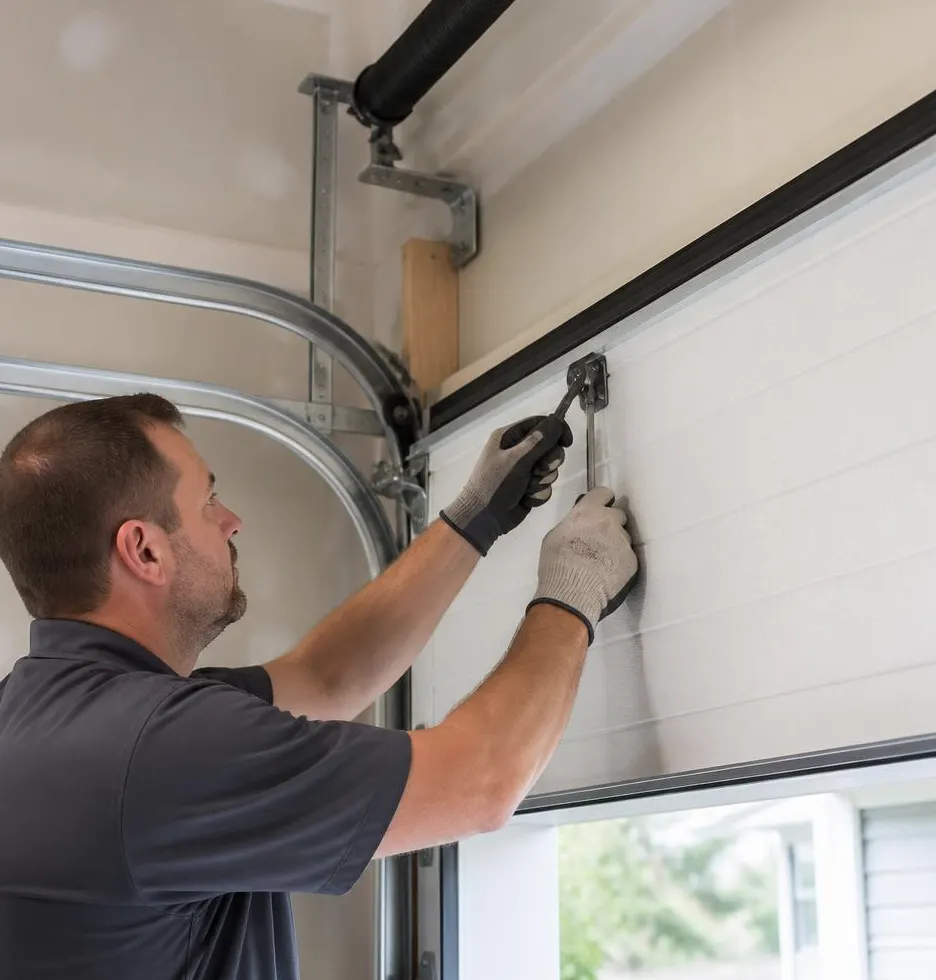
If your sensors aren't reversing, your door feels heavier than it used to, or you've never had the springs and cables inspected, it's time for a Preventive Maintenance & Tune-Up. We check spring tension, cable wear, sensor alignment, and panel pinch points in one visit. If a spring is already showing rust or stretch, our Garage Door Spring Repair service replaces it correctly and safely, since this is not a DIY repair given the tension involved.
Call Rosemary Beach Garage Door Repair today to get your door checked before the next storm rolls through, and before it becomes the thing that hurts someone you love.